

The Great Sonic Continuity Debate
3/09, Revised 11/10 - Written by PorpoiseMuffins Ah, the continuity debate. Which version of Sonic is the real one? Love it or hate it, it has long been one of the most contentious subjects in the Sonic the Hedgehog fan base. Whenever a question arises regarding the legitimacy or canonicity of a particular piece of Sonic media (game, TV series, comic, etc.), it invariably results in tension, gnashing of teeth, and—of course—the proverbial flame war. The topic is a veritable mine field of conflict, at times avoided or outright banned from discussion.
Why? For one, we human beings (of the fanboy/girl variety, in particular) are sentimental creatures. We tend to reject what we don't know and cling to what we do. On one side we have fans who grew up with a version of Sonic from the early 90s, many of whom recall fondly the days of the "Freedom Fighters," "planet Mobius," and "Dr. Robotnik." On the other side, we have a generation of fans more familiar with "Dr. Eggman," "Chao," and "Chaos Control."
But the generational divide is only half the story. Some gamers were never exposed to the comics or cartoons, while some readers and viewers never laid hands on a Sega controller. Others consciously avoided some of the hedgehog's offerings because they differed from what they were accustomed to, or simply didn't appeal to their tastes.
Naturally, we all differ in opinion. Unfortunately, it's not always enough for us to attribute this to personal preference, or even to rationally debate the artistic merits of stories or characters—sooner or later the conflict turns to which interpretation is the "primary" or "canon" universe. The ultimate weapon? Telling your adversary that his or her preferred version is the illegitimate bastard child of the franchise, or that it "isn't even official!".
The Sonic franchise is just one of many facing this type of identity crisis. Similar debates rage on for the Legend of Zelda series, Star Trek franchise, Megaman, Batman, Superman, Ninja Turtles, Fullmetal Alchemist, and numerous others. Yet the Sonic franchise's convoluted, international history puts it in a class of confusing all its own.
So which version of Sonic is it?

Some say that since Sonic comes from Japan, it must be the Japanese story.
Some say whichever story came first.
Some say that because Sonic is first and foremost a gaming character, it should be the story from the games.
Some say that it should be up to Sonic's "creator," Yuji Naka, others, Naoto Oshima, and still others that Ben Hurst is the guy to go to.
Some say that Sonic doesn't have a story. Sonic is a platformer, and platformers don't need a story.
The purpose of this article is not to convince you of the validity of any one of these—clearly subjective—positions that fans may choose to rally behind. After all, Sonic the Hedgehog is only a work of fiction. Rather, my intention is to demonstrate the absurdity of any claim that there is or ever was a single, objectively correct Sonic continuity, and hopefully debunk a few common myths in the process. And, hey, you might even learn a thing or two you never knew before about the little blue guy.
So let's start at the beginning of this mess. And by the beginning, I mean the beginning.
The Genesis of Sega and the Birth of Sonic
(no pun intended... unless it makes me sound clever.)Sega began as Standard Games, a Honolulu, Hawaii-based company founded by three Americans in the 1940s. The company moved to Tokyo, Japan in 1951 to become Service Games of Japan (Sega, for short), where they developed coin-op machines for United States servicemen stationed in Japan.
 In 1965, Sega merged with Rosen Enterprises, a company founded by the American businessman and former serviceman, David Rosen. Rosen became CEO of Sega until Hayao Nakayama (the owner of Esco, a small Japanese arcade game business that Rosen had acquired) was appointed to head the Japanese branch. In 1986, Rosen left to found Sega of America, a new subsidiary established to better market (and later, develop) Sega products in the U.S. and other western territories. Rosen headed up the new branch until 1989. He remained at Sega of America as chairman until his retirement in 1996. Today Sega is comprised of Sega of Japan (SoJ), Sega of America (SoA), Sega of Europe (SoE), and several smaller subsidiaries.
In late 1989, Sega of Japan's then president and CEO, Hayao Nakayama, tasked three of his employees—Naoto Oshima, Yuji Naka, and Hirokazu Yasuhara—with developing a video game mascot for the company to compete with Nintendo's Mario. Yashuhara, Sonic the Hedgehog's chief level designer, explained the process in an August 2008 interview with Gamasutra:
“in the very beginning, the project staff consisted entirely of Naka and Ohshima, back before I joined them. The main thing Naka had thought up at that time was a game engine that scrolled really, really fast—the problem after that was to figure out what kind of game we could make with that.
We didn't have any game at that time, so we had to think about that first. I thought it'd be enough to have a game where you ran really fast, but we couldn't get anything to work. Naka was really adamant about the idea that the game should be playable with one button, since Mario needed two—jump, and run or attack.
My response to that was that if you have only one button, then all you can do is jump, so we need to find some way the player can attack at the same time. So our character needed some way to deal damage just by jumping, and from there, we came up with the idea that he should roll himself up into a ball while in the air.”
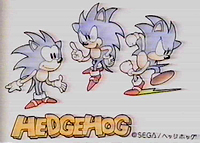
After several iterations of the character—including a long-eared rabbit, an armadillo, and a wolf in an American flag polo—artist Naoto Oshima came up with a design that stuck: Sonic the Hedgehog was born.
Sega had its sights set on the west, a market promising tremendous growth through the late 80s and 90s. As Oshima put it, "Sonic is the personification of my image of America back then. Relative to Japan and its politics, America had a sense of speed and motion that were dynamic. I wanted to capture that essence in Sonic" (Nintendo Power interview, 2008). In an interview with Gamasutra, Oshima's colleague Hirokazu Yasuhara admits, "we definitely were trying to make [Sonic] popular in America."
 Indeed, Oshima's concept bore all the tell-tale marks of American influence, with a design harkening back to classic American cartoon icons like Felix the Cat and Mickey Mouse. And from his red, white and blue motif to his edgy, freedom-loving persona, Sonic exhibited his American inspiration through and through.
Sega introduced their new mascot to the world on their Genesis gaming console ("Mega Drive," as it was known outside the U.S.) on June 21, 1991—first to North America and Europe, and a month later to Japan on July 26th. The game was developed by a team of about 15 Sega of Japan employees, originally known as AM8 and later dubbed "Sonic Team." The team was headed in part by Oshima, Yashuhara, and lead programmer Yuji Naka.
Sonic Team & The Sega Technical Institute
Sonic Team has always received a lot of press—and for good reason. After all, this celebrated group minds created the blue blur and put him in his debut title. Were it not for their ingenuity, Sonic wouldn't even exist.
On the other hand, the Sonic Team label is a bit of a misnomer; Sonic's development has never been managed solely by one team. Historically, the franchise—cartoons, comics, and even games—have been handled and influenced by a variety of people from all over the world.
In fact, the big secret about Sonic Team is that it actually didn't exist for much of the 90s. Some of the most famous titles in the Sonic library were developed in the United States by Sega of America's Sega Technical Institute (STI). Check your copies of Sonic 2, Sonic 3, and Sonic & Knuckles and you may be surprised to find that "Sonic Team" never once appears in the games' manuals or credits.
Following the release of Sonic 1, lead programmer Yuji Naka departed Sega along with several other members of Sonic Team who were dissatisfied with management policies at the company's Japanese branch—pay structure, specifically. At around the same time, a high-ranking Sega game designer by the name of Mark Cerny was working with Sega of America's president Tom Kalinske and executive vice president Shinobu Toyoda (the supervisory link between SoA and SoJ at the time) on an idea for a new development studio that would increase game development stateside. Known as the Sega Technical Institute (STI), the studio would bring together some of Sega's brightest talent from both the U.S. and Japan.
After learning of his departure from Sega, Cerny convinced Naka to relocate to the U.S. and work for him at STI (Cerny had worked at Sega of Japan for several years and knew Naka personally). Sonic Team was effectively disbanded and several of its founding members (including Hirokazu Yasuhara) joined Naka in the U.S.
There at STI, Japanese and American teams worked side by side developing such highly acclaimed titles as Sonic the Hedgehog 2, Sonic Spinball, Sonic 3, and Sonic & Knuckles (as a side note, Naoto Oshima stayed behind in Japan and went on to direct Sonic CD). While Sonic 2 combined the efforts of the American and Japanese employees at STI, the language and cultural barriers between the two teams soon proved difficult. As a result, Sonic Spinball was developed largely by the the American team, while Sonic 3 and Sonic & Knuckles were developed by the Japanese team. While they continued to work together and share talent during this time, Yuji Naka purportedly preferred to have the two teams work separately.
In 1994 Naka was offered a promotion by the Japanese management. He and his team split from STI and moved back to Sega of Japan where Sonic Team was eventually re-established. This group went on to create Nights for the release of the Sega Saturn. Back in the U.S., STI continued for several years before folding, developing an array of titles including the infamously scrapped Sonic Xtreme—a story for another day.
The Plot Thickens
Sonic the Hedgehog launched in North America and Europe to critical acclaim in June of 1991. Just as hoped, Sega's target audience in the west had fallen for its new mascot, and they were clamoring for more. It soon became clear that Sonic—not just as a game but also as a brand—could become the next hot commodity. 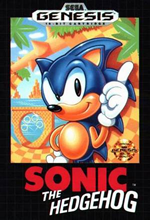 With this potential in mind, Sega began approaching companies like DiC Entertainment and Archie Comics with the intent of licensing out their character for comics, merchandise, children's books—even a television series. It was a win-win proposal: Sega would gain exposure and drive customers to their products, while licensees would derive strong sales from Sonic's existing and rapidly growing fanbase.
"Without a hint of of just how popular the character would become down the road, we figured at least his legions of video game fans would be enough to support an ongoing comic series. Boy, were we pleasantly surprised!"
-Paul Castiglia, former editor of Archie's Sonic the Hedgehog comics
Here's where things start to get really hairy (or should I say furry?).
The Sonic story started simple enough: a fast hedgehog, a fat man, and an environmental theme. You see, in the beginning Sonic's titles were developed with the understanding that they would be localized by each branch of the company in order to better suit audiences in each territory. As a result, the games themselves contained very little in-game storyline. Sonic was intended to be the "cool" alternative to Nintendo's Mario, and Sega understood that what might be considered "cool" in Japan might not have the same appeal  in Europe or America (and vice-versa). In a 1992 interview with Sega Visions, Yuji Naka explained, "It was difficult to create a character that can please children from all over the world, because we had an idea of the worldwide evolution for Sonic. We concentrated on creating simplicity and the impact of colors."
And so, with very little story or background established by the games, each division of Sega developed its own mythos to appeal to its respective territory. The effort was not a particularly coordinated one; sometimes these concepts and stories would build off of and complement each other quite nicely—other times they would present wildly contradictory views of the character and his world. To add to the confusion, Sega's new licensees would later be provided the freedom to borrow, build upon, and sometimes even alter these concepts to suit their particular needs and demographics.
Most of the story development was initially behind the scenes. While Sonic Team was busy developing Sonic 1 in Japan, the producers on the American side were beginning to flesh out a back story for the character in the west. This included giving many of the characters and enemies English language names. Dr. Ivo Robotnik—originally known in Japan as "Dr. Eggman"—is one of the characters who received a different moniker for the west (Remember all those egg-related insults and nicknames Sonic used to use for his nemesis in the old cartoons and comics?). According to Dean Sitton, the Sega of America employee responsible for proposing the name “Dr. Ivo Robotnik” to the game's American producers, the producers created a “Sonic bible” that was used internally within the branch and by its licensees to establish a background, persona, and world for the character.
"As a lowly game councilor I would sit at a desk and answer about 200 calls a day telling callers how to beat games etc. I would often get invited to brainstorming meetings to help develop storylines or name characters... offer ideas. The sonic game [was] in an early state (just a few levels and some of the characters appeared as garbage chars that flickered. The producer of the U.S. version would be in Japan and call in for updates. Like how many rings for a free man... how many rings for a continue etc. I got to play the game for a week or so and I submitted a document that showed the characters in the game that I could see and a few names for each of them. Dr. Badvibes and many other names were not chosen. I named Ivo Robotnik, Ballhog, and 3-4 more from that game. I helped to flesh out the fiction for Green Hill and Sally/Sandy/whatever the girl's name is now. Usually producers of games have only to fill in the blanks. It doesn't always matter how the blanks get filled in."
-Dean Sitton, interviewed by hxc in 2006
Throughout the 90s, this internal continuity remained different for the east and the west; even the box art and promotional artwork for the games was reworked to give the 'hog an 'edgier' look in the states.
"We [at] SoA didn’t know much about the [Sonic] fiction because there wasn’t really any at that time . . . It wasn’t really a "team," but 2 game councilors and the 2 producers saying 'this is called this and that is that.'"
-Dean Sitton
While the western game manuals of the time (shared by both North America and Europe) remained vague on the character's origin, location, and the names of his robot-imprisoned forest friends, the Sonic bible delved into much greater detail. A first draft of the story reveals such esoteric details as Sonic (real name: Sonny) living next to a burger joint in—believe it or not—Hardly, Nebraska (population 1,226). Later drafts, however, reveal the origin of some much more familiar elements of the Sonic franchise, including planet Mobius, Sally Acorn, and Sonic's affinity for fast food (chili dogs, anyone?). Some excerpts:
“The story begins on the planet Mobius at an unspecified point in time and space. Sonic the Hedgehog, an orphan, grows up with his forest friends in the Green Hill Zone. From each of his animal friends, he picks up different skills and characteristics—not all of them good. Speed, cleverness, but also stubbornness and cockiness are among the traits he develops, plus a certain amount of “forest smarts.”
“Orphaned at an early age, Sonic grows up in the forest of the Green Hill Zone and falls in with a clan of rambunctious animal friends. His friends teach him all the tricks they know. From Johnny Lightfoot (the rabbit), Sonic learns how to outrun every other creature in the forest; from Sally Acorn (the squirrel), he learns how to jump incredible distances; and Porker Lewis (the pig) teaches him to fear fire. Flicky the Bluebird influences Sonic with her happy, fearless, approach to life; Joe Sushi (the walrus) shows him how to dive and swim underwater; and from Tux (the penguin), Sonic picks up the skill of finding air bubbles underwater. Most important of all, Chirps (the chicken) inadvertently helps Sonic develop the technique for his Super Sonic Spin Attack. As Chirps is learning to fly, he tumbles head over heels out of the nest. Sonic teases Chirps by imitating him, but as he tumbles, Sonic builds up so much speed that he becomes a blur of quills and fur. Before Sonic knows it, he's drilled a hole through the side of a mountain!”
“Sonic's main buddies are Johnny Lightfoot, Sally Acorn, Porker Lewis, Chirps, Tux, Flicky the Bluebird, and Joe Sushi. Each comes from a large family, and each is playful and friendly. Sonic's pals make their home in the forest of the Green Hill Zone. With Robotnik on the rampage, however, they and their families have been scattered throughout the six zones, turned into mechanized warriors who try to destroy Sonic, or held captive in steel tanks at the borders of each zone. As Sonic releases his friends from captivity or robotdom, they bound away in glee.”
“Sonic meets Dr. Robotnik by accident, after tunneling into his secret underground lab. Robotnik (before he turns evil) befriends Sonic and lets Sonic visit from time to time to watch experiments. When Robotnik becomes evil, Sonic escapes from the lab, returns to the Green Hill Zone, and tries to warn his friends of the impending planetary disaster.”
“Kintobor [Dr. Robotnik] bloats up like a gigantic egg, turns against Sonic, and threatens to wage biogeophysical warfare against all of Mobius until he can completely ruin and control the planet. He plans to capture and transform all of Sonic's friends into mechanized monsters and use them to attack Sonic. He also plants dastardly, mechanized traps in the six zones of Mobius.”
“After the accident, Robotnik comes to the sudden realization that understanding Nature isn't enough—one must dominate, control, and contort it. And so his goal in life is to control and/or mechanize anything he comes across.”
“Carefree and radically cool . . . He cares about his forest pals and delights in coming to their rescue. Then there's Sonic's Attitude . . . Sonic does not respond well to authority—he just doesn't have time to listen to someone else tell him what to do. Instead, he'd rather figure it out for himself, or just do what ever needs to be done without thinking about it. He's cocky, independent, self-assured, but never obnoxious or cruel.”
“His favorite diet? Fast food.”
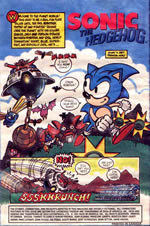 Aside from the mythology being developed behind the scenes at Sega, there were some public sources of Sonic fiction early on as well. In 1991, Sega of America produced a promotional mini-comic. Written by Francis Mao, the comic was distributed through a variety of channels in the U.S. and Europe to correspond with the release of Sonic 1. The comic establishes Sonic's home planet as Mobius (no, it wasn't from a mistranslation of a Yuji Naka interview) and introduces us to several of the 'tiny animals' (the NPCs from the game trapped inside Robotnik's robots) in their western forms. Porker Lewis (best known for his recurring role in the UK's Sonic the Comic) is mentioned here by name and we are introduced to the "badnik transforming machine," an obvious forerunner of the Roboticizor. The comic also reveals how Sonic received his blue hue and his trademark striped sneakers—a gift from the friendly “Dr. Ovi Kintobor” before he was transformed into the evil Dr. Ivo Robotnik. As you might expect, this back story followed Sega of America's Sonic bible to a tee.
Europe remained even more faithful to the Sonic bible than their American counterparts did. Many of the characters and elements established in the bible and the promo-comic were reused verbatim in 1993's official Stay Sonic guide and formed the basis for the UK comic book series, Sonic the Comic.
"This is all back story which isn't really delivered within the game scope. Many unknowns in fiction were filled in or made up or delivered from Japan as success of the license grew . . . Each of these fictions [Sonic continuities] has a life of its own... There's SoA, Archie comics, the several cartoons, the original Japanese game and UK game versions."
-Dean Sitton
Despite its claim that “You may build upon the concepts, storyline, and characters described in this bible, but you may not contradict any of the information this bible contains,” it's clear that developments introduced in future games—as well as by licensees like DiC and Archie—were quickly adopted by Sega, and that many of the previously established elements in the bible were contradicted or altered in the process.
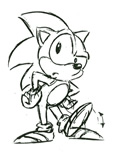
The Sonic story took another evolutionary step with the near simultaneous development of two distinct cartoon series by DiC Entertainment—a first in animation history. Both took place on a version of planet Mobius, included Sonic's new friend Tails (who by this point had been introduced to the fans in STI's Sonic 2), and featured the blue chili dog-loving hog voiced by none other than Jaleel White (better known for his role as Steve Urkel on Family Matters). But that's where the similarities ended. The syndicated weekday Adventures of Sonic the Hedgehog was light on story with a wacky vibe, a humorous take on Robotnik, and only a couple new recurring characters—most notably, Robotnik's bumbling badniks, Scratch, Grounder, and Coconuts. The Saturday Morning series, on the other hand, introduced fans to a bit darker, more story-driven vision of Sonic's world.
When the ABC Saturday morning TV series (SatAM) began pre-production in 1992, veteran animator and story editor Len Janson went to task developing a premise for the show that would soon go on to solidify an entirely new direction for the franchise in the west. Janson, along with Adventures of Sonic the Hedgehog creators Bruce and Reed Shelly, took the basic premise that Sega of America had established in the game manuals and the Sonic bible and developed it further, evolving the story and incorporating new characters and concepts to create a more compelling basis for a TV series. Janson produced a writer's bible in which Sonic's band of friends were completely re-imagined as a team of “Freedom Fighters” living in the secret hideaway of Knothole Village. These young heroes risked life-and-limb together to free Mobius from the oppression of Dr. Robotnik and the ever-present fear of his Roboticizor machine.
"Len Janson was the story editor in season one and he created the bible. He was fed things to put into the series, some of which he included, some of which he ignored. Thus the power rings and other elements."
-SatAM writer Ben Hurst, speaking with fans at SAGE 2006
 Sega of America carried the SatAM story over to other formats, effectively making it the standard Sonic story in America for several years. Even while SatAM was still in the fledgling stages of production at DiC, Archie Comics borrowed from an early version of the show's writer's bible to develop the Sonic the Hedgehog comic book series, a long-running comic that still features the same characters and premise developed for SatAM and endorsed by Sega 17 years ago.
"A few months after we launched the comic book, Sonic also made his debut as an animated TV character. In fact, it was perhaps the first time in animation history that two separate shows were simultaneously produced featuring the same character. “The Adventures of Sonic the Hedgehog” took a freewheeling slapstick approach to the characters and was seen across the nation in daily syndication. Meanwhile, the ABC-TV network checked in with a Saturday morning version simply called “Sonic the Hedgehog.” This series was filled with pure, slam-band adventure and intrigue—and thoughtful characterization. In the beginning, Sega instructed our editorial team to reflect the art and story styles of the syndicated series, but it soon became apparent from fan reaction that the Saturday morning series was the one striking a nerve. The comic soon followed suit with a mix of the two styles, but a heavier emphasis on the dramatic."
"As the comic series and the animated shows were simultaneously developed, the tight, advanced scheduling of the comic industry kept us from keeping up with last-minute changes made to the shows. This resulted in Sally being printed in various color schemes that didn't match her TV counterpart as well as Rotor being referred to as Boomer."
-Paul Castiglia, former editor of Archie's Sonic the Hedgehog comics
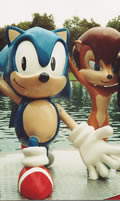
This same general premise and cast of characters was also echoed in a series of mini-novels written by Michael Tietelbaum, a “Look and Find” book, a series of Golden Books, promotional materials, SegaWorld Sydney events (statues pictured at right), and a variety of additional merchandising.
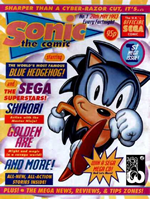
Sega even told Nigel Kitching, writer for the UK's Sonic the Comic, that he should make Sonic part of a team of "Freedom Fighters."
"Well the Freedom Fighter idea was suggested to me at this meeting and it turned out that it was a suggestion of the woman we were dealing with at Sega Europe. So it seemed to me that, on balance, it would probably not be a good move for me to reject this idea at this stage. I wanted the work so I said that the Freedom Fighter idea was great (I actually wasn’t too sure). I later realized that our Sega contact had probably taken this idea from the TV series although I had no knowledge of this series at the time.
So that was how the Freedom Fighter idea came to me and I went away to develop it. But all I had to work with was the term ‘Freedom Fighters’ and no more. I do remember thinking for a while that I might use a Robin Hood kind of scenario.
As far as the members of the group were concerned I just selected a few characters that I thought would work from the game handbook and whatever else I had to hand. I should mention here also that at the meeting in London my editor had mentioned the books Stay Sonic and I had managed to buy a copy. I used several ideas from this book but I can’t remember what exactly. I also may well have had some stuff related to the cartoon series by this point – but this would have just been character info . . . We had a set of official style guides and we were expected to work to those. After a time new versions of the style guides appeared and we had to alter our drawings accordingly."
-Sonic the Comic writer Nigel Kitching, in an email exchange with Saturday Morning Sonic

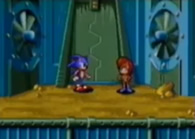
The cartoons and comics also had an influence on the Sonic games in development at the time. The Sega Genesis title, Sonic Spinball—developed by STI and released in both America and Japan—takes place on Mobius, features an art style and storyline heavily influenced by the SatAM cartoon, and even includes cameos from SatAM and Adventures characters in its bonus stages (pictured right). Of interest, Spinball is perhaps the only instance of Mobius being referenced in Japan.
Another spin-off title, Dr. Robotnik's Mean Bean Machine (US and EU only) is heavily influenced by the style, story, and flavor of the Adventures of Sonic the Hedgehog cartoon. It features Scratch, Grounder, and Robotnik in his Adventures style. Several of the U.S. and European game manuals were also influenced by the western continuities in both art and story. In an infamous example of localization gone awry, the Sonic CD manual references Mobius and mistakenly refers to Amy Rose as “Princess Sally.”

This SatAM-style Robotnik sprite is another interesting find. Discovered in the code of the Japanese SegaSonic arcade game, it suggests that there were once plans to localize the game for the western market.
According to Chris Senn, one of the game designers at STI, there were even plans drawn up at the institute to bring the SatAM storyline and characters to the main game series.
“There was interest in building on previous storylines or characters, and in the beginning, STI management wanted a tie-in to the cartoon show characters.”
-Chris Senn, STI game developer
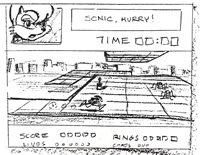
The first attempt at a tie-in was a demo for a Genesis game called Sonic 16, produced by an STI developer named Peter Morawiec. Peter shared his demo with the world in an interview with Sega-16:
“Shortly after finishing Sonic Spinball, Roger Hector (STI's boss) took Naka's team and number of us down to DiC Animation in Burbank, CA. The studio was about to start production on a Sonic cartoon series for the ABC TV network. It was a funny meeting - the storyboards were super Warner Bros'y, all squash-and-stretch, and full of silly slapstick humor. The Sonic Team guys sat through the spiel all stone-faced, so I don't think they liked it very much. Roger was interested in having STI create a spin-off game based on the show, so I tried to come up with a gameplay format allowing for more story and adventure than the original Sonic games. I had made a number of these Amiga demos by then, so it didn't take very long to put together, probably less than a week . . . Unfortunately, it wasn't easy to animate fast-scrolling backgrounds in Brilliance, so the demo came off too slow-paced, though I always intended for it to have some fast-moving sections. From what I heard, Naka gave the design thumbs down, but it was probably the right decision. The cartoon wasn't even out, so banking on its success would've been premature, and too many spin-offs for a fresh new franchise are likely to do more harm than good.”
-Peter Morawiec, STI developer
From the sound of it, the presentation that STI was given was either for Adventures or a very early prototype of SatAM. Morawiec's demo, however, is distinctly SatAM as we know it.
In a script written by STI's Michael Kosaka and obtained by Sonic Cult, we also learn that Sonic Mars—the precursor to Sonic Xtreme designed for the Genesis 32X (which was codenamed “Mars” at the time)—would have contained playable SatAM characters and environments.
"While Sonic is away checking on a security alarm in a remote part of the Great Forest, his pals (Sally, Bunnie, Tails and Knuckles) have discovered a strange message from within one of Robotnik’s super computers. [Dr. Robotnik is trying to take over a computer VR world (Micro Mobius) and the message is a plea for help from its peaceful inhabitants.] Sonic returns to Knothole to discover that Robotnik has captured his friends and taken them into his VR world. Sonic attempts to save his friends and thwart Robotnik’s plan to “reformat” Micro Mobius."
- Sonic Mars plot summary
The script confirms that STI intended to incorporate the SatAM cast into what would be Sonic's very first 3D title. Among the playable characters featured are Princess Sally Acorn, Bunnie Rabbot, Antoine, and a new character developed by Chris Senn, Tiara Boobowski. When the game evolved into Sonic Xtreme for the SEGA Saturn, however, the Freedom Fighters were dropped (yet Tiara stayed), and the game plot was completely re-written. According to Chris Senn, Kosaka had left STI by that time and the other designers decided to take the story in a new direction.
"Sonic 16 was an initial pitch by STI for a new Sonic game. It was turned down. Sonic Mars soon followed and continued, though changed dramatically over the course of its development - through different names, storylines, team members, target platforms, etc. to arrive on the name Sonic Xtreme."
-STI developer, Chris Senn
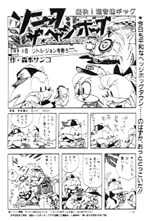
While the number of Sonic stories continued to multiply in the west, fans in the east were no less presented with a variety of stories to choose from in and outside of the games. Despite Sonic Team's own direct involvement in the production, Sonic the Movie (the OVA, "original video animation") shared little in common with any previous fiction, placing Sonic on “Planet Freedom." A licensed Sonic Manga published in 1992 (the first appearance of characters Amy Rose and Charmy Bee—SoJ later adopted them as characters of their own) portrayed Sonic as a young hedgehog boy named “Nicky.”
The Rivalry
Sonic has never been as popular in Japan as he is in America and Europe. This isn't too surprising, considering that the west was Sega's target audience from the get go. Sonic was never intended to be viewed as a Japanese import, nor was he one in actuality (although, admittedly, this perception was used as a marketing tool to capitalize on the otaku craze during the mid-2000s, i.e. with the Sonic X anime). Internally at Sega, in fact, Sonic is viewed as a "western property."
Recall that Sega of America's Sega Technical Institute was the location of most of Sonic's development during the 90s. In fact, part of Yuji Naka's motivation for joining STI in 1992 was to be closer to Sonic's epicenter of success: the U.S. When asked about Naka's move in an interview with Sega-16, former president Tom Kalinske added, "I think he (Naka) wanted more freedom, and since Sonic wasn't as successful in the Japanese market as it was in this one, he probably wanted to be closer to where it was successful and listen to why people thought it had been successful, as well as get the input of Americans who loved the character and gameplay."
"The main reason we had the team over here [in America] was to figure out how to best appeal to the U.S. . . . We were starting to create Sonic 2 in Japan, but were kind of guessing; "maybe they'd like something like this, maybe we can do it this way." I decided the best way was to go to America and get their feedback directly. We went to San Francisco, and watching the kids in the focus groups play it and see their reactions was really helpful. And that certainly changed my game creation style -- my concept of game design was on a more worldwide scale, and that was a really important highlight of my life."
- Yuji Naka in an interview with 1UP, 2010
There is a common misperception that Sega of Japan was wholly responsible for Sonic's success and that anything that came out of Sega of America during the 90s should be relegated to a secondary status. In reality, the efforts of Sega of America were also inseparably linked to the hedgehog's eminence during this time.
For a short time in the early 90s, Sega was an incubator of quality, innovation, and creativity. The two largest branches of the company—Sega of America and Sega of Japan—had a positive and productive relationship. The two operated almost as if they were two completely independent companies, and the American branch was provided a great deal of freedom and influence on the direction of the business. SoA controlled much of its own marketing, product development, and licensing, and they became wildly successful in doing so. In the words of SoA executive vice president Shinobu Toyoda, "[President] Nakayama clearly understands that when in Rome, you should do as the Romans do. At Sega of America we have autonomy." This autonomy is arguably a large part of what led to Sega's success stateside. During this time the company's share of the gaming market rose from 1% to 50%, and their new mascot became an overnight success story.
Much of Sega's success can be attributed to Sega of America's then president Tom Kalinske, who was the driving force behind Sega's aggressive marketing image; a direction that the Japanese side of the company was not at all fond of in the beginning. In an interview with Sega-16, Kalinske described one particularly colorful board meeting he attended in Japan:
"I go back to Japan, and I meet with Hayao Nakayama and the board at Sega, and I say "look, you guys have got this thing all wrong" . . . They said they didn't like anything I had told them and disagreed with all of it, 100%. They didn't agree that we should advertise against Nintendo, staff up the U.S. to develop software, reduce the price of the hardware, or put our best title in with the hardware, and I can't remember all the other stuff they didn't agree with. Basically, they didn't agree with any of it, and I thought that well, this was the shortest career anyone ever had! That's it, three months, and I have to go find another job. But at the door, as he was walking out, Nakayama turned and said "but we hired you to make all the decisions for the United States and Europe, and so, that's what we want you to do, even though we think you're crazy and don't agree with it, go ahead and do it." So from that day, for the next four years, I don't think they ever interfered in any decision we made."

It was at this time that Sega of America began carrying the company both financially and developmentally, and as time passed the Japanese side of the business did not take kindly to this new state of affairs. There was a rivalry—or at the very least significant tension in the ranks—brewing between the western branches of Sega and the main Japanese branch during the mid 90s.
In regard to the deteriorating relationship between SoJ and SoA, Kalinske had this to say:
"In hindsight, I think there probably was [some resentment on Sega of Japan's part over the Genesis' success]. I don't believe there was from 1991-1993. I think somewhere in the mid '90s, '94 or '95, they built up a great deal of resentment, and I didn't realize it at the time, until probably the latter part of 1995, when one of my colleagues in Japan, who I knew well and had a good relationship with, said to me something to the effect of "you don't understand how browbeat and annoyed the Japanese executives here are because of your success. Every meeting we go into, Nakayama asks us why can't you do things the way the Americans and Europeans did? Why aren't you guys as successful as they are? We've been around longer." I think the local executives didn't appreciate that he'd take that tone with them. Apparently, he also beat them up over Sonic, which was never as successful in Japan as it was in the U.S. and Europe (to this day, that's the case), and I think he was always throwing that in their faces too. So clearly, by late '95 there was great resentment built up: jealously, resentment, and kind of a desire to get back at those Americans that Nakayama [the CEO of Sega Japan] kept throwing in their faces . . . partly due to our success in America, Japan just didn't want to do the things that we suggested."
Nick Alexander, head of Sega of Europe from its inception until 1994, said in a September 2008 interview with Sega-16, “The relationship between Sega Europe (SoE) and SoJ was complex and at times very challenging,” stating that one of the reasons he had left Sega was because he had “become increasingly frustrated and bewildered by differences in view with SoJ about strategy and marketing.”
In another interview with Sega-16 dated May 2006, Professional journalist and gaming insider Steven Kent had this to say about the relationship between SoJ and its fellow branches:
"Nakayama-san never gave Sega of America its due. It's interesting, Nakayama was brought into Sega Enterprises largely based on the efforts of an American—David Rosen, who was always impressed with Nakayama's business sense. Once he got in, however, Nakayama seems to have decided that the Japanese knew best. He gave Kalinske some latitude when it came to marketing Genesis. Toward the tail end of the Genesis period, however, Nakayama's pre-determination that the Japanese know best became very apparent. The Sega of America team was not consulted during the creation of Sega CD, for instance."
One of the biggest casualties of this internal conflict was the demise of Sonic Xtreme, a Sonic title in development by the American team at STI which was to be Sonic's big debut on the Sega Saturn.
"SoJ was going through a lot of executive changes there too, and the new people at SoJ pulled the plug on many projects and people in America. The situation was bad at SoJ, and they turned STI and SoA upside down . . . At that time, the company became very political and practically everyone in the SoA management was fired or quit."
-Roger Hector, former STI director interviewed by hxc in 2005
"It was weird because SOA would do their own thing and SOJ would do their own thing and then eventually SOJ would come in and say "No we're gonna do this" so Sega wasted a lot of money and a lot of resources on hardware development and software development for machines that eventually would never see the light of day."
-Mike Wallis, producer at STI
This rivalry—and the rash of politically motivated business decisions that came out of it—are often cited in what ultimately led to the downfall of the gaming giant, culminating in the company's exit from the hardware market in 2001. For Sonic, it meant that a lot of what could have been simply never was.
Seal of Approval
While the tangled web of contracts and copyright laws surrounding Sonic in his various forms may be convoluted enough to dumbfound even professional legal experts, this much we do know: all licensed Sonic is Sega-approved.

The image above is of one of Sega's Sonic License Approval Forms from 1994. Anything related to the Sonic property must go through an approval process at Sega, and everything that meets their approval is deemed official. If something does not meet the company's approval, it is either modified at their request or held back from release altogether. Everything Sonic-branded—from every single issue of Archie's Sonic Comics to SatAM and its DVD releases—has had to meet Sega's approval through a similar process. In other words, all Sonic is “SegaSonic,” because all Sonic is official and Sega-approved. It simply wouldn't exist if it wasn't.
Accordingly, the Sonic bible states:
This official Sonic the Hedgehog bible is your reference for creating and marketing Sonic the Hedgehog products . . . This bible is for the exclusive use of Sega of America, Inc. and its business partners . . . You may build upon the concepts, storyline, and characters described in this bible, but you may not contradict any of the information this bible contains. Sega of America reserves the right to change the contents of this bible at any time, without prior notification. Any product related in any way to the Sonic the Hedgehog story or character must be approved by Sega of America Inc., according to the terms outlined in the Quality Control section of this bible . . . To assure consistency for all licensed products, your Sonic the Hedgehog License Agreement requires that written approval be obtained for any proposed use of the Sonic the Hedgehog logo, character names, or renditions prior to production and sale. Approvals must be obtained from Sega of America, Inc. Sega of America's Product Managers and/or Agents will be delighted to work with you on creative concepts.
To this day, every single issue of Archie's Sonic the Hedgehog comic book series is reviewed and approved every step of the way by Sega's licensing departments in both America and Japan before release to the public.
"Every level of production is run past Sega. Robert Leffler and Dyna Lopez work in Sega Licensing and the script has to get approved, the pencils have to get approved, the inking, then the lettering, then the coloring. Everything has to go through them first."
-Ian Flynn, head writer for Archie's Sonic the Hedgehog comic series
And what of the stories and characters—like the Freedom Fighters—developed by licensed parties outside of Sega? Well, Sega owns them too.
"Ultimately SEGA owns everything in the book. If it’s associated with Sonic in the book, it is by extension SEGA’s. From my understanding, that is why BioWare could so freely emulate the Dark Legion for the Marauders [in Sonic Chronicles]. I know there was some confusion elsewhere concerning rights to SatAM. As it was explained, SEGA owns the intellectual property—the characters and such—but DiC retains the rights to the animation. So you wouldn’t see SEGA reselling SatAM boxsets willy-nilly. Conversely, DiC wouldn’t be able to just up and make a new Sonic cartoon."
-Ian Flynn
"There is also the issue of licensing and merchandising rights. The game rights to a character are different than the comic book rights are different than the music rights. . . the happy meal rights. Each with their own unique stories based on the original premise."
-Dean Sitton
Sega has always been protective of the Sonic brand. In fact, in the 90s Sega employed a company called Copyright Promotions (a subsidiary of DiC Entertainment) just to oversee licensing in Europe and make sure that the Sonic property was being portrayed correctly in merchandising and comics. Even under this close scrutiny, Sega approved of every licensed Sonic product we have today—multiple continuities and all.
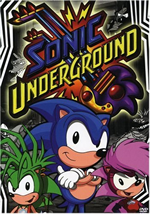
In an interview on the Sonic Underground DVD box set ("Giving Sega the Finger"), DiC's Robbie London reveals that Sega of Japan had an active role in the approval process for the Sonic Underground cartoon series, going so far as to force the company to reanimate the character to have 5 fingers. The reason? In Japan, 4 fingers was associated with the mafia.
When Archie writer Ken Penders had plans to kill off Princess Sally Acorn for dramatic effect in the comic book series, it was Sega who intervened.
"I felt that the plot device of killing off Sally would be the only justification for Sonic to fully cut loose and go after Robotnik no matter what . . . Because Sega didn't want to rule out the possibility of using Sally in the future, it was decided she should live.”
-Ken Penders, in an interview with Sonic HQ
What of Sonic Team? In a 1992 interview with Sega Visions, Yuji Naka appeared to acknowledge the western concept of Mobius, saying, “Sonic has to run through more levels . . . the new Mobius worlds are brighter, crisper, and much more detailed. However, we think players will be too busy getting through the game to spend any time enjoying the scenery.” Recall that most of the members that formerly comprised "Sonic Team" were in fact working in the U.S. when SatAM and Adventures were produced and aired. It's only reasonable to assume they—at the very least—had knowledge of the cartoons and other western media of the time.
When Shout Factory's Brian Ward approached Sega with hopes of obtaining the Sonic cartoon catalog for DVD release, his requests were met without any opposition.
"To be perfectly honest, Sega didn't provide a single roadblock. I was prepared [for that], because in working with other licensors, they are naturally very protective of their properties. In the case of Sega, they were probably the best licensors I've ever worked with. They didn't provide me personally with any problems whatsoever . . . Sega was a gem, and I'm looking forward to working more hand-in-hand with them on AoSTH now, because there hasn't been a single thing that I've sent their way that they've told me "no."
-DVD editor Brian Ward, speaking in an interview with ToonZone
Of course, all of this begs the question: if all continuities are valid, official representations of the Sonic universe, then how do we reconcile the differences between them? The fact is that we don't have to—Sega certainly hasn't.
The Sonic franchise is what fans sometimes call a “multiverse,” meaning it consists of more than one official universe. If one Sonic medium doesn't agree with another, it's generally a non-issue because each incarnation is part of a separate continuity. In other words, each continuity has its own canon and mythology.
Sonic 2.0

When the critically acclaimed Sonic Adventure debuted for the launch of the Sega Dreamcast in September of 1999, its story drew heavily from the Japanese game mythology—much to the confusion of fans in the west. Here Sonic was hanging out on Earth with a bunch of humans, Dr. Robotnik was called "Dr. Eggman" (more often than not), and nary a chili dog was to be found.
You see, as the number and variety of Sonic's interpretations grew throughout the 90s, the games began to develop more complex stories of their own. Sonic Adventure revisited and solidified the Japanese game universe and then applied it to the west, largely unchanged this time around. In other words, the Sonic games were “universalized” or "internationalized" rather than localized. For a time, at least, this meant the majority of the western storyline details and character development from the Sonic bible, cartoons, and comics fell by the wayside.
For the next few years, Sonic Team—which by this point had regrouped in Japan—took the reins on the franchise, exercising more direct influence over story, art, licensing—even the voice direction in the west. In 2000, several key members from Sonic Team Japan moved to San Francisco to form Sonic Team USA (later known simply as Sega Studios USA) in an effort to produce future Sonic titles that would appeal to the western market. Sonic Adventure 2, Sonic Heroes, and Shadow the Hedgehog were developed by the USA team before the Japanese staff returned home.
"Since Sonic has fans worldwide, it is very important for us to know the culture and the fans not only in Japan, but in other countries as well. Plus, I think Sonic enjoys the laidback lifestyle of California."
-Yuji Naka, interviewed by Sega Score in 2003
In a 2006 interview with The Sonic Stadium, former SoA president Simon Jeffery described Sonic Team as "The keeper of all things Sonic." As SoE Community Manager Kevin Eva put it, everything is "vetted intensely by Japan."
This "Sonic Team," of course, shares little in common with the group formed around the development of Sonic 1. By 2006 most of the original talent had since departed. Even the two individuals most associated with Sonic—Naoto Oshima and Yuji Naka—are no longer involved in Sonic Team or Sonic's development. Today, Sonic Team is a brand name stamped on Sonic titles produced by a number of different development houses including Sega Studios Japan and Dimps, a third party developer.
Despite all of these changes—both corporate and creative—modern Sonic is not without its homages to the franchise's more classic elements. To name a few:
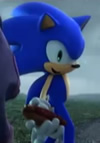
- Sonic's love for Chili Dogs has returned, most explicitly in the opening cut scene of Sonic and the Black Knight (pictured left). Chili Dogs are also described as Sonic's favorite food in Sonic Unleashed, get a shout out in Sonic Chronicles, and were even mentioned in the Japanese guide for Sonic Advance 3.
- Despite Sega's initial motion to phase out the western name "Dr. Robotnik" in favor of his Japanese title, "Dr. Eggman," the name "Robotnik" has begun to resurface again. In Sonic Adventure 2, the title finally received recognition in Japan as Eggman's family name. The Archie comic series still often refers to the character as "Robotnik," and the Sonic RPG Sonic Chronicles uses the name on several occasions during in-game dialog. Yuji Naka once commented on the matter in an interview with Sonic Central saying, "To tell the truth, his name has not changed. Robotnik is his real name and Eggman is a common name taken after his shape."
- Sonic's home planet is still disputed. The Sonic X anime (a production directly supervised by Sonic Team), reveals that Sonic was transported to Earth from another planet (which is left unnamed for reasons unknown), a planet populated by anthropomorphic creatures like himself. This evokes comparisons to planet Mobius, and stands in contradiction to the games, most of which suggest that Sonic has always lived on Earth.
- The use of the title “the fastest thing alive” appears in Sonic Riders.
- Sonic's use of power rings for increased strength and ability is highlighted in Sonic X, similar to their use SatAM.
- The official comic series, Sonic the Hedgehog, still follows in the footsteps of SatAM and includes the original Freedom Fighter cast. The Archie book and its unique cast have even been getting some attention overseas. Yuji Naka published a letter in the book commemorating issue 125, and Sonic Team's own Jun Senoue did a report on the series on the official Sonic Channel web site. SoJ has even been auctioning off the comics on their site. For a time, a Sonic X comic ran alongside the StH book, suggesting that Sega is quite comfortable with having more than one continuity co-exist side by side.
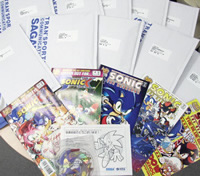
- The Sonic Mega Collection, compiled under the supervision of Sonic Team, contains a “Sonic the Hedgehog Comic Book Cover Gallery” of over 100 comic covers and full scans of the entire Sonic Firsts series. The Introduction to the gallery, provided by Archie Comic Publications, contains a “History of the Series,” which delves into the comic's relationship to the Adventures of Sonic the Hedgehog and SatAM cartoon shows.
- Sega has begun involving more western developers such as Bioware and Backbone Entertainment in creating Sonic games.
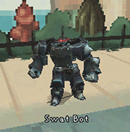
- Swat Bots appear in Sonic Chronicles.
- SoJ's own Sonic Channel history page includes references to SatAM, Archie, and AoStH.
- The return of numerous classic badniks and environments in Sonic 4.
These kinds of cross-continuity references and homages are growing in number. Sonic's 20th anniversary seems to be bringing with it a new paradigm for Sega and Sonic the Hedgehog. A company that once seemed distant and out of touch is now actively reaching out to its fanbase. Thanks to this new openness, the continuity conflict is gradually becoming less of a contentious issue for the fanbase.
"SEGA is a much different company than they have been over the past decade. Not only do they open their doors to the public, but they’re in our fan forums, providing us with some exclusive content and exposure and understand the professionalism and perspective that is necessary at their position. That includes dealing with the opinions and occasional mockery from people like me."
-Brad Flick, Sonic Stadium staffer
The Point
Nobody wants to be told that something they have an emotional investment in is somehow invalid. When someone tells you that the Sonic you like or grew up with is "not the REAL Sonic," it's tantamount to a slap in the face. While some may embrace new for newness sake, most people are resistant to changes they don't ask for. We develop emotional and nostalgic attachments to things.  We also like having simple answers, and having a straightforward list of canonical material we can go back to and wave in other people's faces can be comforting and make us feel like we're in control.
Would it be nice to have a single canon? Maybe... but as stands, Sonic the Hedgehog is much bigger than a single game or story. He is a concept... an idea, spanning not only a wide range of official media, but also fan sub-continuities, art, and fiction. He is far more than just a gaming character. As Sega of America's former president, Simon Jeffery, once put it, “There will always be room for Sonic, no matter what the technology. Sonic is a character, not a game.”
Sonic has been interpreted in an extraordinary number of ways during the last two decades. With so many takes on Sonic to choose from, it's no wonder there's as much division in the fan base as there is. Yet, this is also what makes the Sonic fandom so unique and fascinating. There can actually be two fans, both madly in love with the hedgehog, and yet they can both have vastly different visions of the character and his universe—and both be completely right!
Part of Sonic's mass appeal comes from the fact that he has not been relegated to a single entertainment medium or interpretation. SEGA's lack of any strict, overarching continuity has fostered creative liberties resulting in some of Sonic's finest gaming, TV, and comic book moments. It's not the work of a single individual or team, but the sum of the influences of the creative minds working at Sonic Team, Sega Technical Institute, SoJ, SoA, SoE, and outside partners like DiC, Fleetway, and Archie Comics, which have made the franchise what it is today. Though this state of affairs may also be partly to blame for Sonic's divided and segmented customer base, the effect it has of attracting more consumers overall—each with differing backgrounds and preferences—can be seen as a net positive for both Sega and the fans.
"With a different attitude from Sega Europe, Sonic the Comic would have been just another bit of soulless merchandising."
-Nigel Kitching
For anyone still on the fence, consider this: the Sonic series is unique in that its fans are sustained by a consistent flow of material from a variety of sources. How much of Sonic's past and present—TV shows, comics, movies, merchandise, and games—are you willing to throw away to protect your untainted, idealized version of the character? Fans can (and do) argue all day long over whether Sonic is from Mobius, Earth, Planet Freedom, or some other unspecified world. They can fill thread upon thread with debate over Robotnik vs. Eggman, and they can argue over the merits of Sally vs. Amy until they're all blue in the face. No one will ever win. Why? because—aside from your basic "big fat guy vs. super-fast hedgehog" premise—there has never been and will never be a single “official” Sonic storyline.
This isn't to suggest that Sega hasn't visibly marketed certain continuities over others throughout the franchise's 20-year history—clearly they have. But this focus has never remained consistent. Style, presentation, and supporting cast have always varied to support the particular story that Sega is trying to tell and the demographic they're trying to sell to. Even post-1999 the games themselves have had little by way of a coherent continuity, with many games taking place in alternate dimensions or storybook worlds. In fact, we've seen Sonic's universe revised or reimagined with just about every new game over the past decade, and there's no reason to suspect this pattern won't continue. Sega is far more concerned with the character's overall image than with crafting some sort of ultimate continuity.
Even if you're a games purist who believes that only the games can be canonical, you still have to decide which games, which localizations, and which time periods you're going to accept. Any attempt at ferreting a single, consistent continuity out of the franchise's 20-year history means—quite frankly—discarding the vast majority of the franchise's history. You'd be much better off learning to accept—and maybe even enjoy—the series in its entirety.
Sonic and his world will continue to evolve as market demands change with the times—that's just the nature of the business; what's known as "product lifecycle" in marketing lingo. Some day today's generation of fans will be reminiscing about 'the good ol days' the same way that so-called "old school" fans do now. Time marches on. Sonic should be allowed to change with the times, but there is no reason why his past should be cast aside or forgotten, either. At the end of the day, it's all Sonic.
My advice? Let's give this debate a rest and learn to appreciate all Sonic material for what it's worth on its own individual merit. It doesn't have to fit together. You don't have to like all of it (or any of it, for that matter), but you should accept it as part of the larger Sonic multiverse. Which interpretation of Sonic you hold to be true—if you do choose one above the rest—is not a question of which one is "canon" or "official," but is a matter of personal taste—and personal taste isn't worth fighting over.
So let's get past these petty inter-community battles and learn to accept each other's opinions. After all, we all love the same little blue hedgehog—don't we?
References: Sega-16, Nintendo Power, Gamasutra, Sega.com, Sonic Channel, New York Times, Sonic Retro, Sonic Stadium, Green Hill Zone.
Special thanks to Nigel Kitching, Dean Sitton, Ben Hurst, and Ian Flynn. An extra measure of gratitude goes out to Sega-16 for their interviews and extensive research into the golden age of Sega.


